Invisalign® as low as $3,379!

06
Feb
Castlebury Dental
If you have ever worried about whether dental implants will really last, you are not alone. Many people wonder if the time, effort, and healing are worth the investment. Around here, where long walks along the Boise River Greenbelt and family days at Eagle Island State Park are part of life, no one wants to deal with tooth trouble again. According to the U.S. National Institutes of Health, implants have a success rate of about 90 to 95 percent after 10 years when properly cared for. That number gives hope, but daily habits make the real difference.
How Long Can Implants Last?
With good care, dental implants in Eagle or elsewhere can last 20 years or more, and many last a lifetime. The metal post placed in the jaw is designed to stay in place. What often shortens this treatment’s life is not the implant itself, but problems with the gums or bone surrounding it.
People who treat implants like natural teeth, brush well, and maintain regular dental visits usually see the longest results. In this part of Idaho, where dry winters and outdoor summers can affect health habits, staying steady with care all year matters more than most realize.
What Makes Implants So Durable?
Implants are crafted using titanium or similar biocompatible materials. These metals bond with bone in a process called osseointegration. This creates a strong base for the crown on top.
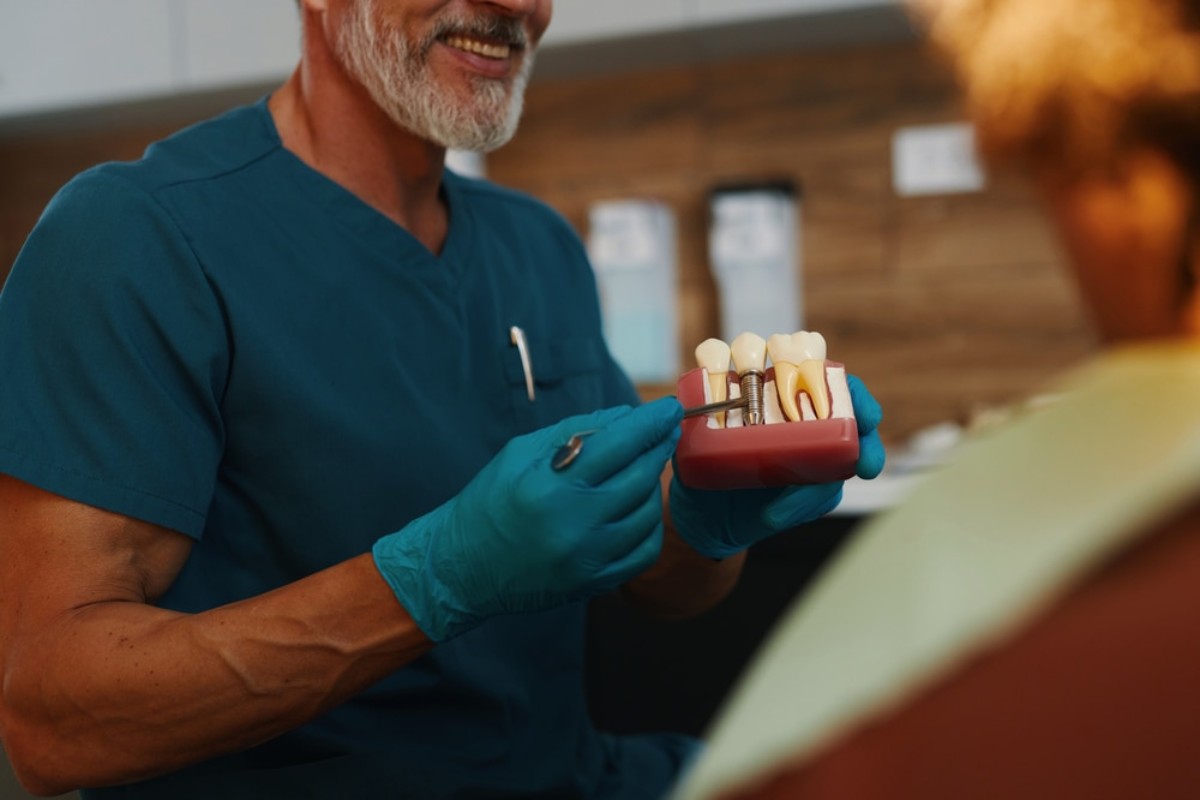
Three main parts work together:
- The implant post, which sits in the jaw.
- The abutment, which is the component that connects the post to the crown.
- The crown, which looks and works like a real tooth.
When these parts are placed correctly and kept clean, they can handle normal chewing and daily use without trouble.
Daily Care Habits That Protect Your Implant
Good care after dental implant surgery is simple, but it must be consistent.
- Brush Twice a Day: Use a soft toothbrush and gentle pressure. Clean around the implant just like you would a real tooth, paying close attention to the gum line.
- Floss Every Day: Food and plaque can hide around implants. Use floss or special implant floss to reach tight spots. This helps prevent gum infection.
- Use a Low-Abrasion Toothpaste: Strong or gritty pastes can wear down the crown over time. A gentle paste keeps the surface smooth and easier to clean.
- Rinse When Needed: A mild mouth rinse can help reduce bacteria, especially if your gums feel sore or swollen.
Why Gum Health Matters More Than Anything
Implants do not get cavities, but the gums around them can still get sick. This condition is called peri-implantitis. It is similar to gum disease and can lead to bone loss if ignored.
Signs to watch for include:
- Red or swollen gums
- Bleeding when brushing
- Bad breath that does not go away
- Pain around the implant
Healthy gums help hold the implant in place. Poor gum care is one of the main reasons implants fail prematurely.
How Food and Habits Affect Implant Life
Wondering how these factors can impact the life of your implant? Consider these points:
- Smoking: Smoking lowers blood flow to the gums. This slows healing and raises the risk of infection. People who smoke often see a shorter lifespan for their implants.
- Sugary and Sticky Foods: These foods feed bacteria in the mouth. Bacteria can irritate gums and cause bone loss near the implant.
- Hard Chewing Habits: Using teeth to open packages or chewing on ice can crack the crown. Even though the implant post is strong, the crown can still break.
The Role of Regular Dental Visits
Even if your implant feels fine, checkups are key. Dentists use X-rays to monitor the bone around the implant and look for early signs of problems.
Cleanings also remove plaque that brushing at home may miss. For residents in this part of Idaho, where winter weather can delay appointments, it helps to schedule ahead and avoid skipping visits.
How Local Lifestyle Can Play a Part
Life near the foothills and river paths means many people enjoy biking, hiking, and sports. Wearing mouthguards during these activities protects both natural teeth and implants.
Seasonal changes can also affect routines. Cold months may lead to more hot drinks and comfort foods, while summer brings sweet snacks and outdoor meals. Both can increase plaque if brushing habits slip. Staying mindful of daily care through all seasons helps implants last longer.
What Happens If an Implant Fails?
Implant failure is rare, but it can happen. Causes may include:
- Infection
- Bone loss
- Heavy grinding
- Poor daily care
In many instances, the implant can be replaced afterward. Early action makes repair easier and less stressful.
Why People Choose Dental Implants in Eagle
Many people in our community choose this restorative procedure because it looks natural and allows them to eat and speak with ease. Unlike dentures, implants stay in place and protect jawbone strength.
They also support nearby teeth, keeping the smile balanced and healthy over time. When paired with daily care and routine checkups, dental implants in Eagle become a long-term part of a healthy mouth.
No More Suffering From the Consequences of Missing Teeth
If you are missing one or more teeth, dental implants may be an option worth learning about. They can help restore function and support jaw health over time. Whether you want to understand how implants work, how long they may last in your case, or what daily care involves, getting clear answers can help you make the right choice.
You can book an appointment with Castlebury Dental to ask questions about replacing lost teeth with implants or to talk about other tooth replacement options. A visit allows you to discuss your needs, review your oral health, and find out which solution may work best for you.
Frequently Asked Questions
Can dental implants really last a lifetime?
Yes, many implants last for life when people care for them well. The implant post is built to stay in the jaw, but gum health is the key factor. Daily brushing, flossing, and routine checkups greatly increase the chance of lifelong success.
Do dental implants need special cleaning tools?
Most people can use a soft toothbrush and floss. Some may benefit from implant-safe floss or small brushes to clean around the gum line. These tools help reach areas where food and plaque can hide without harming the implant surface.
What is the biggest reason implants fail?
Gum infection around the implant is the most common cause. This problem, called peri-implantitis, can lead to bone loss if not treated. Good oral hygiene and regular dental visits help prevent this issue before it becomes serious.
Can I eat normally with dental implants?
Yes, implants allow you to eat most foods without trouble once healing is complete. It is still wise to avoid chewing ice or very hard items. A balanced diet also supports gum health and long-term implant stability.
How often should implants be checked by a dentist?
Implants should be checked during regular dental visits, usually every six months. These visits include cleanings and X-rays if needed. Early checks help spot gum or bone changes before they cause damage.
Does age affect how long implants last?
Age alone does not limit implant life. What matters more is bone health, daily care, and overall health habits. Older adults who brush, floss, and attend regular visits often enjoy the same long-lasting results as younger patients.
Are dental implants harder to care for than real teeth?
No, implants are cared for much like natural teeth. They still need brushing, flossing, and professional cleanings. The main difference is that implants cannot decay, but the gums around them still need protection from infection.