Invisalign® as low as $3,379!


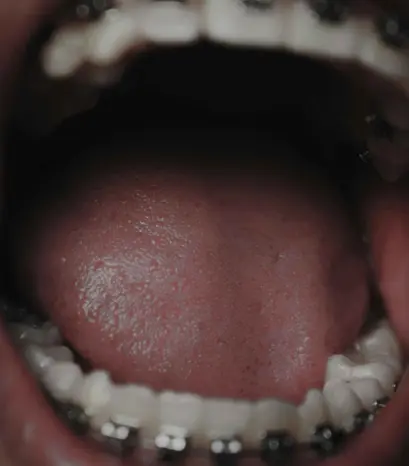

A frenectomy is a simple yet effective dental procedure that involves removing or modifying the frenum, a small fold of tissue connecting your lips or tongue to your gums. This nifty procedure brings relief to babies and adults struggling with issues resulting from a tight, restrictive, or unusually thick frenum. Our dental professionals at Castlebury prefer to use a highly effective laser, ensuring precision and minimizing discomfort.
What are the Different Types of Frenectomy Procedures?
Lingual Frenectomy
A lingual frenectomy is a minor surgical procedure designed to address a common oral anomaly known as tongue-tie or ankyloglossia. This condition occurs when the thin band of tissue, called the lingual frenulum, connecting the tongue's underside to the mouth's floor is unusually short or tight. This can result in restricted tongue mobility, which may cause speech, feeding, or oral hygiene difficulty.
During a lingual frenectomy, a dentist carefully removes or releases this tight frenulum, allowing for improved tongue function and overall oral health.
Maxillary Frenectomy
A Maxillary Frenectomy is a quick and minimally invasive dental procedure that helps address and correct issues related to the maxillary labial frenum, the small fold of tissue connecting the upper lip to the gum line. This tissue plays a vital role in our oral health, particularly during the early stages of life.
Indications for an adult laser frenectomy include:
- Improved Dental Hygiene for Adults
- Closing Spaces Between Teeth
- Remedying Speech Problems
- Preventing Gingival Recession
- Enhancing Sleep Apnea Therapy
- Alleviating Discomfort and Pain
- Improving the Success of Dental Restorations
Indications for a baby laser frenectomy include:
- Inability to Latch onto the Breast
- Failure to Thrive
- Low Milk Supply or Premature Termination of Breastfeeding
- Inhibited Swallowing
- Colic
- Reflux
- Longer, More Frequent Feedings
- Speech Development Issues
What are the Different Types of Frenectomy Procedures?
Patients have reported less postoperative pain and better function (in the first seven days after surgery) than frenectomies performed with a scalpel.
It is recommended that patients avoid forceful rinsing or suction, spitting, or straw use for the first 48 hours. Patients might also need to avoid hot liquids like tea or coffee and certain foods for a brief period of time.
For laser infant frenectomies, the patient can typically feed 30-60 minutes after the surgery with improved latch and noticeable relief in the mother’s breast pain.
Your Castlebury dentist will review any necessary post-op care instructions with you before going home. If any excessive pain or discomfort persists for a few days after the procedure, it is recommended to call our office immediately.
Patients have reported less postoperative pain and better function (in the first 7 days after surgery) than frenectomies performed with a scalpel. For laser infant frenectomies, the patient is typically able to feed 30-60 minutes after the surgery with improved latch and noticeable relief in the mother’s breast pain.
Learn More about Frenectomies