Invisalign® as low as $3,379!

28
Aug
Castlebury Dental
Restorative dentistry focuses on repairing and preserving your natural teeth while ensuring long-term oral health. Among its many solutions, dental caps stand out as one of the most versatile treatments available today. Many people view these dental caps primarily as a cosmetic fix for chipped or discolored teeth. However, their role in modern dentistry extends far beyond aesthetics.
From strengthening weakened teeth to preventing further damage, these oral appliances are essential for both function and appearance. Understanding how they work and why dentists recommend them helps patients make confident decisions about their oral health.
What Exactly Is a Dental Crown?
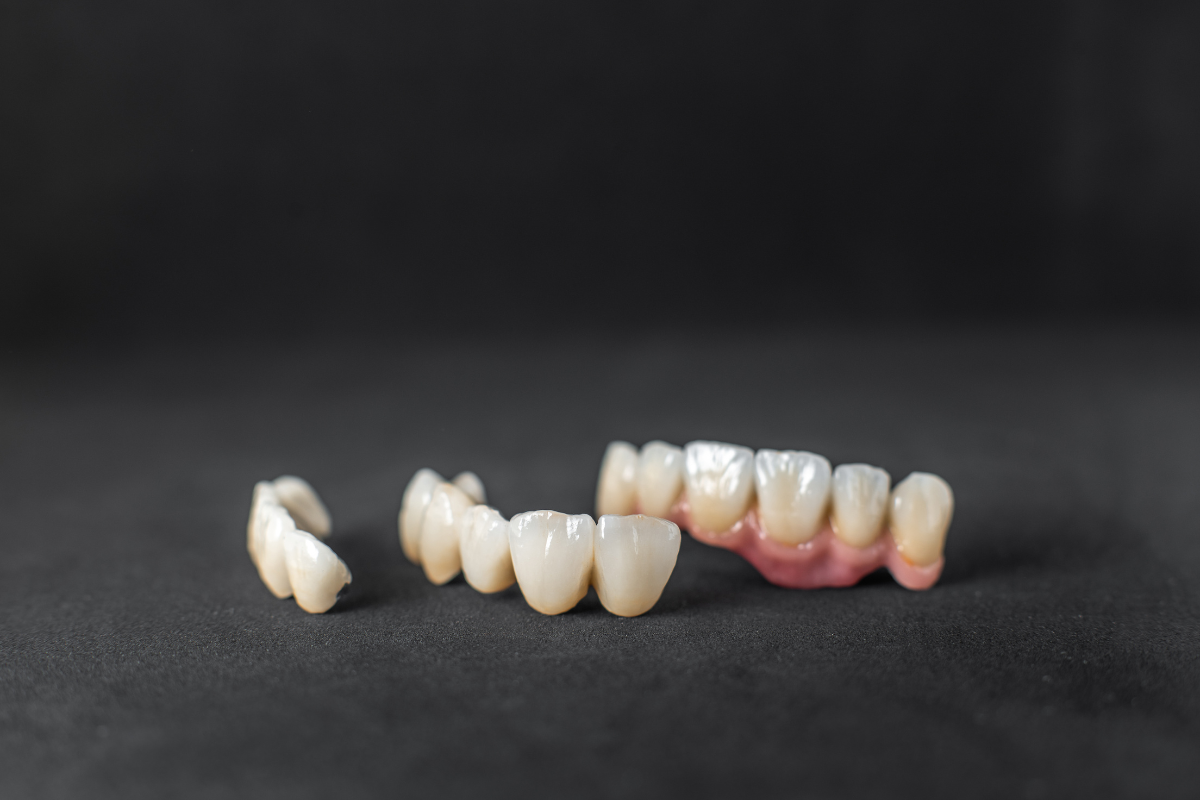
A dental crown is a tooth-shaped cap placed over a damaged or weakened tooth. The aim is to restore the tooth’s shape, size, strength, and appearance. Modern options are made from durable materials such as porcelain, ceramic, or metal alloys, offering both strength and a natural look.
Unlike fillings, which repair small sections of teeth, dental caps cover the entire tooth structure above the gumline, offering complete protection.
What is the Role of Crowns in Restorative Dentistry?
When it comes to dental crowns in Eagle, dentists use them as a key part of comprehensive treatment plans. These dental caps protect weak teeth from breaking, hold together parts of cracked teeth, and restore teeth after large fillings or root canals.
More importantly, a capped tooth distributes chewing forces evenly, reducing strain on the remaining natural teeth. This function is critical for patients with extensive dental restorations, where maintaining balance in the bite prevents long-term complications such as jaw pain or shifting teeth.
Why Dentists Recommend Crowns Beyond Aesthetics?
While tooth caps can enhance your smile by covering stains or uneven shapes, their functional role is equally important. Dental practitioners often recommend them in cases such as:
- Severely decayed teeth, where traditional fillings may not provide enough support
- Cracked or fractured teeth needing reinforcement
- Teeth treated with root canals, which often require added strength and coverage.
- Worn-down teeth caused by grinding or acid erosion
- Replacement teeth in dental bridges or implants
In each of these situations, the goal is to restore chewing function, prevent further damage, and maintain overall oral health, not just improve appearance.
Why Does Choosing the Right Material for the Crown Matter?
Different crown materials serve different purposes, and at our practice, patients can choose from several options based on durability, appearance, and cost. Here are the materials available:
- Ceramic or porcelain: Highly aesthetic, blending seamlessly with natural teeth, ideal for front teeth.
- Gold: Known for exceptional strength and longevity, especially for back teeth.
- Stainless steel: Often used as temporary crowns or for children’s primary teeth due to affordability and ease.
- Porcelain-fused-to-metal: Provides a natural, tooth-colored appearance while maintaining good strength.
- Resin: More affordable but may wear down faster than other materials.
- Zirconia: It offers superior strength and durability with excellent aesthetics, making it a popular modern choice.
Dentists carefully evaluate factors such as tooth location, bite strength, cosmetic needs, and long-term goals before recommending the most appropriate crown material for each patient.
What Are The Long-Term Benefits of Tooth Crowns?
When cared for properly, dental caps can last over a decade. They restore chewing ability, prevent further decay or fractures, and maintain oral stability. These also protect weakened teeth, ensuring they remain functional and resilient against everyday wear.
Beyond strength, dental crowns in Eagle deliver natural-looking results that blend with surrounding teeth. This combination of durability and aesthetics helps patients maintain healthy, confident smiles for years while preserving proper alignment, bite balance, and overall oral health.
How to Care for Your Crowns?
Although these caps are durable, proper care extends their lifespan:
- Brush and floss daily, paying special attention to the crown margins.
- Avoid chewing hard foods like ice or nutshells that may crack the capped teeth.
- Schedule regular dental checkups for professional cleaning and early problem detection.
A crown itself cannot decay, but the natural tooth underneath can still develop cavities if neglected.
For those living in Eagle and nearby neighborhoods, dental caps offer an effective way to restore both oral health and confidence. At Castlebury Dental, our team provides high-quality restorative treatments tailored to each patient’s unique needs.
If you are ready to protect your smile and enjoy lasting dental health, contact us today for comprehensive care and personalized solutions.