Invisalign® as low as $3,379!

04
Jun
Castlebury Dental
Many parents assume cavities only develop when a child eats too much candy. In reality, tooth decay is often the result of several small habits that add up over time. Frequent snacking, inconsistent brushing, sugary drinks, and missed preventive care can all increase the risk. The positive news is that implementing the correct daily habits and providing early guidance can prevent most childhood cavities.
At Castlebury Dental, Dr. Jacob Brown and Dr. Ashley Hubel regularly help families understand how to protect growing smiles from tooth decay before problems arise. Through preventive care, education, and personalized recommendations, our team helps children develop healthy oral habits that support lifelong dental health. If you have questions about your child’s oral health, we invite you to visit our dental office for guidance personalized to your child’s needs.
What Are the Best Ways to Prevent Tooth Decay in Children?
The most effective ways to reduce a child’s risk of tooth decay include brushing twice daily with fluoride toothpaste, limiting sugary snacks and drinks, encouraging water consumption, maintaining regular dental visits, and considering preventive treatments such as fluoride applications and dental sealants when appropriate.
These simple habits help reduce harmful bacteria, strengthen enamel, and protect teeth during the years when children are most vulnerable to cavities.
Why Is Tooth Decay So Common in Children?
Children are more susceptible to cavities because their enamel is thinner than that of adults, and their eating habits often expose teeth to sugars and acids throughout the day. Consistent preventive care is essential during these early years.
According to the U.S. Centers for Disease Control and Prevention (CDC), more than half of children ages 6 to 8 have experienced a cavity in at least one baby tooth. Cavities remain one of the most common chronic childhood conditions in the United States.
Many parents are surprised to learn that tooth decay can begin long before a child reports discomfort. Early-stage decay often develops quietly, making prevention and routine evaluations particularly important. The sooner risk factors are identified, the easier they are to address.
How Can Parents Build Strong Daily Oral Health Habits?
Daily oral hygiene routines are the foundation of cavity prevention. Small habits practiced consistently often have a greater impact than occasional intensive efforts.
Children learn best through repetition and example. When brushing and flossing become a normal part of family life, they are more likely to continue those habits independently as they grow.
Essential Daily Habits That Protect Teeth
- Brush twice daily using fluoride toothpaste.
- Help younger children brush until they can clean effectively on their own.
- Floss once daily when teeth begin touching.
- Replace toothbrushes every three to four months.
- Encourage water instead of sugary beverages.
- Establish a consistent bedtime brushing routine.
Parents should also pay attention to how long food remains on their child’s teeth. Frequent grazing throughout the day exposes teeth to repeated acid attacks, which can gradually weaken enamel.
Which Foods Help Reduce the Risk of Cavities?
Nutrition significantly influences oral health. Certain foods support stronger teeth, while others increase the likelihood of decay when consumed frequently.
Every time a child eats sugary or starchy foods, bacteria in the mouth produce acids that attack tooth enamel. Repeated exposure increases the chance of cavity formation.
Families often spend weekends attending youth sporting events, enjoying local parks, or gathering at community celebrations. Packing water, cheese sticks, fresh fruit, or crunchy vegetables instead of sugary snacks can help support better oral health while on the go.
Watch Out for Hidden Sources of Sugar
Many foods marketed toward children contain more sugar than parents realize.
Examples include:
- Flavored yogurts
- Juice drinks
- Granola bars
- Fruit chews
- Sweetened cereals
Reading nutrition labels can help parents make informed choices that support healthier smiles.
What Role Does Fluoride Play in Preventing Cavities?
Fluoride strengthens enamel and helps teeth resist acid attacks. It remains one of the most effective and widely recommended tools for preventing cavities in children.
Fluoride works by supporting a natural repair process called remineralization. During this process, weakened enamel absorbs minerals that help restore strength before a cavity fully develops.
Fluoride becomes especially important while permanent teeth are developing. Research has consistently shown that appropriate fluoride exposure helps reduce cavity risk and improve long-term oral health outcomes.
Parents can support fluoride protection through:
- Fluoride toothpaste
- Professional fluoride treatments
- Dentist-recommended oral care products
- Community water sources were available
Many families seeking pediatric dentistry in Eagle ask whether fluoride treatments are necessary. For children with elevated cavity risk, fluoride often serves as an additional layer of protection alongside daily oral hygiene.
Why Are Regular Dental Visits Important for Children?
Routine dental visits allow dental professionals to identify concerns early and provide preventive care before small problems become larger ones.
Even children who brush consistently at home benefit from professional evaluations. Some areas of the mouth are difficult to clean thoroughly, especially as permanent teeth begin to emerge.
Regular visits help:
- Detect early signs of decay.
- Monitor tooth and jaw development.
- Identify habits that may affect oral health.
- Provide preventive treatments when needed.
- Educate families about changing dental needs.
Waiting until a child experiences discomfort often means decay has already progressed. Preventive visits help reduce the likelihood of unexpected dental problems.
Can Dental Sealants Help Protect Children’s Teeth?
Dental sealants are protective coatings applied to the chewing surfaces of molars. They assist in preventing food particles and bacteria from getting lodged in deep grooves, which can lead to cavities.
Permanent molars often erupt with natural pits and fissures that can be difficult to clean thoroughly. Even children with excellent brushing habits may struggle to remove debris from these areas.
Sealants help by:
- Creating a protective barrier.
- Reducing cavity risk in back teeth.
- Supporting long-term preventive care.
- Offering a quick and comfortable application process.
Families looking for preventive pediatric dentistry in Eagle often appreciate treatment options that focus on stopping cavities before they start rather than waiting until treatment becomes necessary.
What are the Initial Signs of Tooth Decay to Watch for?
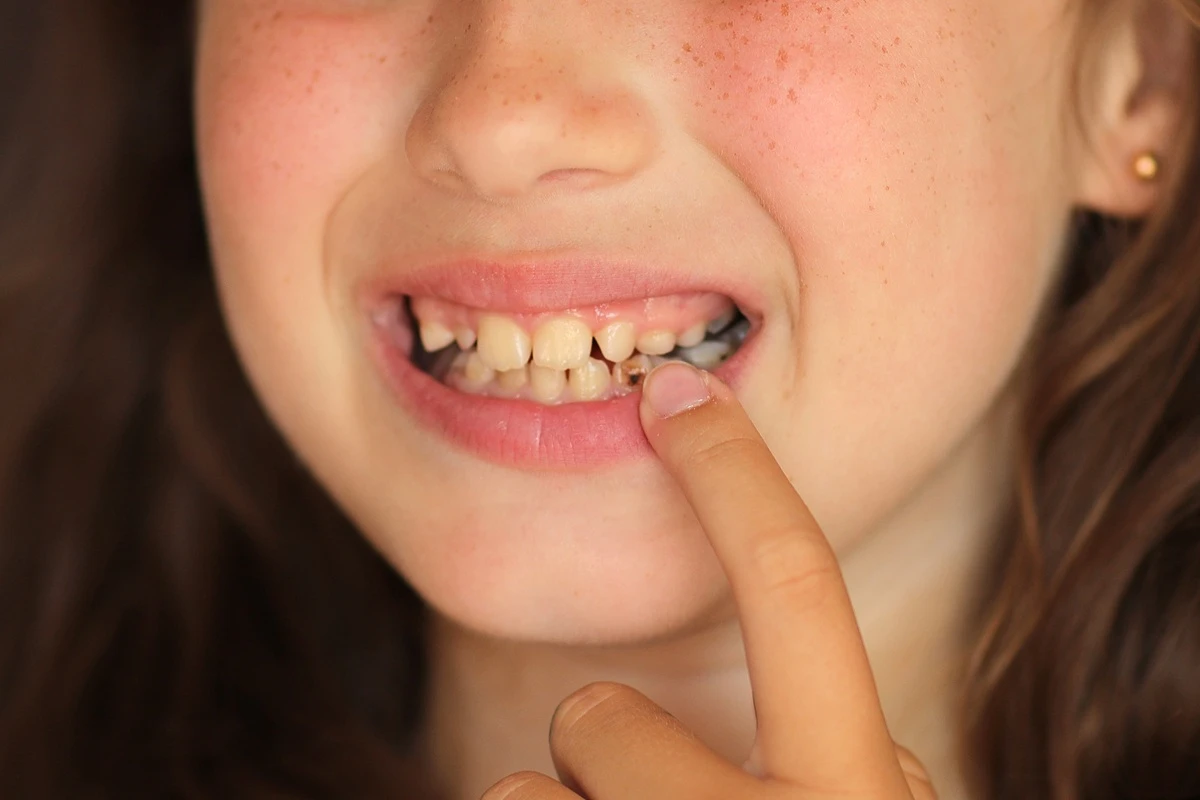
Recognizing early symptoms can help parents seek care before decay progresses. Early intervention often leads to simpler and more conservative treatment.
Watch for:
- White spots on teeth
- Brown or dark discoloration
- Sensitivity to cold foods or drinks
- Complaints of tooth discomfort
- Visible pits or holes
- Persistent bad breath
Children do not always communicate dental problems clearly. Regularly checking their teeth and paying attention to changes in eating habits can help parents identify concerns sooner.
Key Takeaways for Parents
Preventing tooth decay is often easier than treating it. Consistent daily habits and preventive care create the strongest defense against cavities.
Remember These Important Steps
- Brush twice daily with fluoride toothpaste
- Encourage water over sugary beverages
- Offer tooth-friendly snacks
- Limit frequent sugar exposure
- Schedule regular dental visits
- Ask about fluoride and dental sealants
When combined, these habits can significantly lower a child’s risk of developing cavities and support healthier smiles throughout childhood.
Help Your Child Build a Healthier Smile
Every cavity prevented today helps protect your child’s comfort, confidence, and long-term oral health. Consistent home care, healthy nutrition, preventive treatments, and regular evaluations work together to reduce cavity risk and support healthy development.
At Castlebury Dental, we believe every child deserves a strong foundation for lifelong oral health. If you would like personalized recommendations based on your child’s age, habits, and specific risk factors, visit our dental office and book an appointment with our team for a comprehensive evaluation and preventive care plan tailored to your child.
Frequently Asked Questions
At what age should my child have their first dental visit?
Children should visit the dentist by their first birthday or within six months of their first tooth erupting. Early visits help monitor development and establish healthy oral care habits.
Can cavities in baby teeth affect permanent teeth?
Yes. Untreated decay in baby teeth can affect surrounding tissues and may influence the eruption and positioning of permanent teeth. Early treatment helps protect future oral health.
Why does my child keep getting cavities despite brushing regularly?
Brushing is important, but cavity risk also depends on diet, fluoride exposure, oral bacteria, and brushing technique. A dental evaluation can identify factors that may be contributing.
Are dental sealants safe for children?
Yes. Dental sealants have been used safely for many years and are recommended for many children. They help protect molars from decay by covering vulnerable grooves.