Invisalign® as low as $3,379!

12
Mar
Castlebury Dental
If you’ve been told that you need a tooth extraction, you might feel apprehensive. While it’s natural to have concerns, tooth removal is a common procedure that can significantly improve your oral health. Whether due to severe decay, crowding, or infection, understanding what to expect before, during, and after the procedure will help ease any anxiety and allow for a smoother recovery. For residents of Eagle, keeping your smile healthy is as important as enjoying the Eagle Plein Air Festival in the warm summer months or spending time at the Harvest Fest.
Why Would a Tooth Need to Be Extracted?
There are several reasons why a dentist might recommend a tooth removal service:
- Severe decay or infection that cannot be treated with a filling or root canal.
- Impacted wisdom teeth may cause pain, swelling, or alignment issues.
- Overcrowded teeth require extraction to make space for orthodontic treatment.
Before Tooth Removal Surgery: What Patients Need to Know
Before scheduling tooth extractions, Eagle, a local dentist, will thoroughly assess your oral health. During your consultation, they will take X-rays to determine the tooth’s condition and the best method for removal. If you’re feeling nervous, talk to the professional about your concerns. There are options to help you feel comfortable, such as local anesthesia or sedation.
If you’ve been living with tooth pain, it’s important to schedule the procedure promptly. In the long run, the surgery prevents further complications, such as infection or bone loss.
During the Procedure: What Happens in the Chair?
When it’s time for the dental extraction procedure, here’s what you can expect:
- Anesthesia: The specialist will first administer a local anesthetic to numb the area around the affected tooth. In some cases, sedation options are available if you prefer to be more relaxed during the procedure.
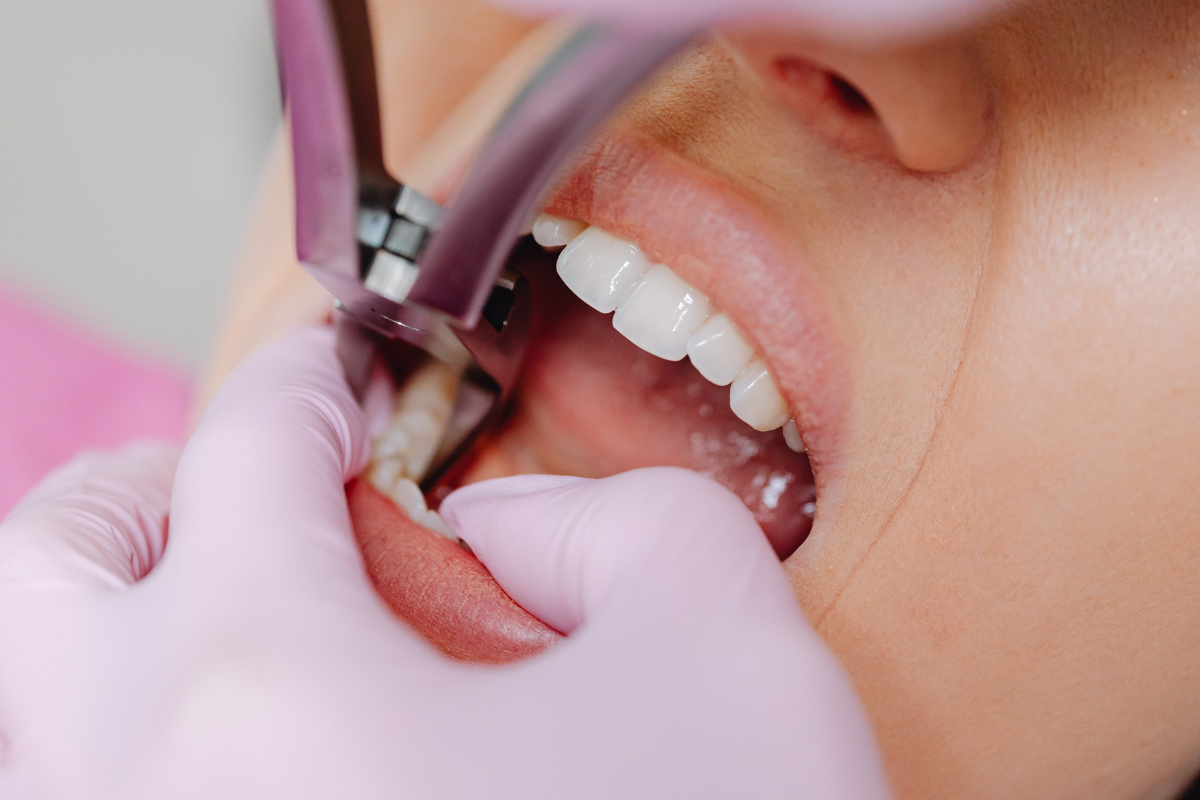
- Extraction: Your tooth will be loosened and removed from its socket. If the tooth is impacted or the root is unusually long, a surgical approach might be required, which involves making a small incision in the gum.
- Post-Extraction Care: After the tooth is removed, the dentist will clean the area and may place a stitch to promote healing. You may be given gauze to bite down on, which helps control bleeding.
The surgery typically takes around 20–40 minutes, depending on the tooth’s complexity. Residents of Eagle who are active in the community can rest assured that this procedure will be efficient and painless thanks to modern techniques.
Post-Extraction: Tips for a Smooth Recovery
After your tooth extraction in Eagle, there are some simple yet important steps to ensure proper healing:
- Rest: Take it easy for the first few days. Avoid vigorous physical activity.
- Cold Compress: Apply a cold compress to the outside of your cheek to reduce swelling and discomfort.
- Medications: Follow your dentist’s instructions for pain relief and, if prescribed, antibiotics.
- Eat Soft Foods: Stick to soft foods for a few days to avoid disturbing the surgical site. Avoid hot, spicy, or crunchy foods that could irritate the wound.
It’s also crucial to avoid smoking and drinking through straws, as these can interfere with healing by dislodging the blood clot that forms in the socket.
What Are the Potential Risks and Complications?
Although rare, complications such as dry socket (when the blood clot dislodges prematurely), infection, or excessive bleeding can occur. If you experience severe pain, swelling, or fever following your procedure, contact your dentist immediately for further evaluation. Regular follow-up visits are essential to ensure that healing is progressing properly and there are no signs of complications.
A Simple and Safe Solution for Better Oral Health
While the idea of tooth extractions might seem intimidating, rest assured, it’s a routine procedure to protect your smile and your health. With modern techniques, the process is quick, effective, and minimally painful. Following proper aftercare, most patients recover smoothly, with little disruption to their daily lives. A healthy, functional smile is not just possible—it’s within reach.
If you’re experiencing discomfort or have been told you need a dental extraction, don’t hesitate to call us. Our team at Castlebury Dental is here to provide gentle, supervised care for your oral concerns. Book an appointment today and take the first step toward preserving your smile for a lifetime.
Frequently Asked Questions (FAQs)
- Can wisdom teeth removal affect adjacent teeth?
Yes, impacted wisdom teeth can exert pressure on neighboring teeth, potentially causing crowding or discomfort. Removing them can relieve this pressure and help maintain alignment without risking damage to adjacent teeth.
- How long does it take for a tooth socket to heal after extraction?
Initial healing of the surgery area generally occurs within 1–2 weeks as soft tissue closes over the socket. Full bone remodeling takes longer, but normal daily functions are typically restored soon after this early healing period.
- Why is a blood clot important after a tooth is pulled?
A blood clot forms in the socket to protect underlying bone and nerves while tissue regenerates; without it, healing is disrupted. Loss of that clot can cause a painful condition called dry socket, which may delay recovery and require clinical care.
- Is it normal to have bad breath after a tooth removal?
A mild odor can occur due to healing tissue and temporary food debris near the extraction site. Persistent or strong odors accompanied by pain may indicate an infection, so professional evaluation is advisable.
- Are there alternatives to removing a severely damaged tooth?
In some cases, restorative options like crowns or root canal therapy may preserve a damaged tooth. When structural damage or infection is extensive, removal may be the most predictable path to long‑term comfort and function.