Invisalign® as low as $3,379!

28
May
Castlebury Dental
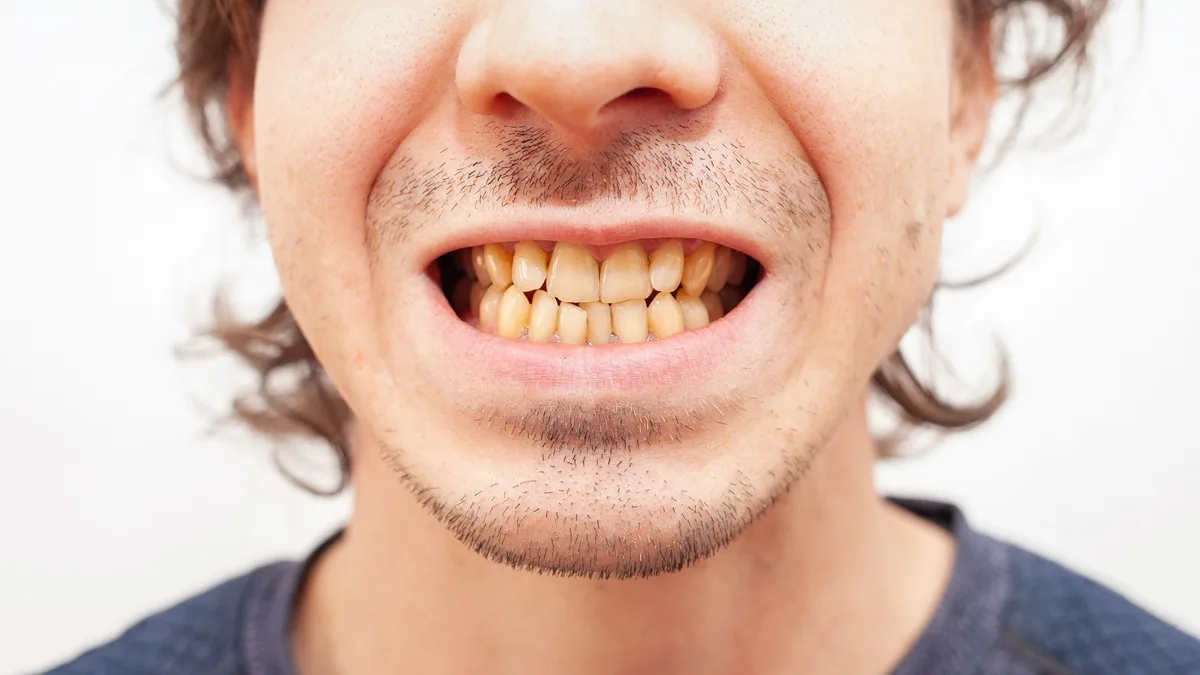
A bright smile is often associated with confidence, vitality, and good health. However, many older adults notice that their teeth gradually become darker or more yellow over time, even when they maintain good oral hygiene habits. This type of discoloration is extremely common with aging and can affect both the appearance of the smile and overall self-confidence.
At Castlebury Dental, Dr. Jacob Brown and Dr. Ashley Hubel help patients in Eagle, ID explore safe and effective teeth whitening options designed for aging smiles. While age-related tooth discoloration can feel frustrating, modern cosmetic dentistry offers several ways to brighten teeth while protecting enamel and long-term oral health.
If you have noticed changes in the color of your teeth over the years, understanding why discoloration happens and what whitening options are available can help you make more informed decisions about your smile.
Why Teeth Become Discolored With Age
Teeth naturally change over time, just like skin, hair, and other parts of the body. One of the main reasons older adults experience tooth discoloration is gradual enamel wear.
Enamel is the outer protective layer of the teeth. Although it is strong, years of chewing, brushing, and exposure to acidic foods slowly thin the enamel surface. As enamel becomes thinner, the yellowish dentin layer underneath becomes more visible.
Several additional factors may also contribute to discoloration over time, including:
- Coffee and tea consumption
- Red wine
- Tobacco use
- Certain medications
- Natural aging
- Previous dental restorations
- Long-term plaque buildup
For many patients, discoloration develops gradually enough that they do not fully notice the change until comparing older photographs.
Difference Between Surface Stains and Internal Discoloration
Not all tooth stains are the same. Some discoloration occurs on the surface of the enamel, while other stains develop deeper inside the tooth structure.
Surface stains are often caused by foods, drinks, or smoking. These stains may respond well to professional teeth whitening treatments because they mainly affect the outer enamel layer.
Internal discoloration tends to occur deeper within the tooth and may result from:
- Aging
- Trauma
- Certain medications
- Root canal treatment
- Enamel thinning
This type of discoloration can sometimes be more challenging to treat and may require alternative cosmetic solutions beyond traditional whitening.
A professional dental evaluation helps determine which type of discoloration is affecting the smile and which treatment options may work best.
Why Professional Teeth Whitening Is Often Safer for Older Adults
Many whitening products are available online and in stores, but older adults often benefit from professional supervision before beginning whitening treatment.
Aging teeth may already have:
- Exposed root surfaces
- Worn enamel
- Gum recession
- Existing dental restorations
- Increased sensitivity
Using strong whitening products without professional guidance may sometimes increase irritation or sensitivity.
Professional whitening treatments allow dentists to evaluate oral health first and customize the approach based on the patient’s specific needs.
At Castlebury Dental, personalized treatment planning helps patients achieve cosmetic improvements while protecting overall dental health.
Can Older Adults Still Achieve Noticeable Whitening Results?
One common misconception is that whitening only works for younger patients. In reality, many older adults experience very noticeable improvements with professional treatment.
However, whitening results may vary depending on:
- The cause of discoloration
- Enamel thickness
- Existing restorations
- Tobacco use
- Medication-related staining
Patients with deep intrinsic staining may require a combination of cosmetic treatments for the most balanced appearance.
Professional whitening often helps brighten the smile several shades while maintaining a natural-looking result.
The goal is not always to create extremely white teeth but rather to restore a healthier, refreshed appearance that complements the patient’s features naturally.
How Professional Whitening Treatments Work
Professional whitening treatments use carefully formulated bleaching agents designed to break apart stain molecules within the enamel and dentin layers.
Depending on the treatment approach, whitening may involve:
- In-office whitening procedures
- Custom take-home trays
- Combination treatment plans
In-office whitening typically produces faster results because stronger whitening agents are used under professional supervision.
Custom take-home trays offer more gradual whitening while allowing patients to brighten their smiles comfortably at home.
Many older adults appreciate the flexibility of customized whitening plans because treatment can be adjusted based on sensitivity levels and cosmetic goals.
Tooth Sensitivity During Whitening
Sensitivity is one of the most common concerns patients have about whitening treatments. Older adults may already experience some tooth sensitivity due to gum recession or enamel wear, which can make them hesitant about cosmetic procedures.
Professional whitening systems often include strategies to help minimize discomfort, such as:
- Lower concentration whitening gels
- Gradual treatment schedules
- Desensitizing products
- Customized trays that reduce gum irritation
Most whitening-related sensitivity is temporary and improves shortly after treatment ends.
Patients should always communicate any discomfort with their dental provider so adjustments can be made if needed.
Whitening Does Not Change Existing Crowns or Fillings
One important detail many patients do not realize is that whitening treatments only affect natural tooth structure.
Existing restorations such as:
- Crowns
- Veneers
- Fillings
- Bonding materials
will not lighten during whitening procedures.
As a result, some patients may notice color differences between natural teeth and older restorations after whitening.
A dental consultation helps determine whether whitening alone is appropriate or whether replacing older restorations may improve overall cosmetic balance.
Lifestyle Habits That Influence Whitening Results
Whitening results can last significantly longer when patients make small lifestyle adjustments after treatment.
Certain habits contribute heavily to recurring stains, including:
- Frequent coffee consumption
- Tea drinking
- Smoking
- Dark-colored beverages
- Poor oral hygiene
Patients do not necessarily need to eliminate favorite foods or drinks entirely, but moderation and proper oral care can help preserve whitening results longer.
Using a straw for darker beverages, rinsing with water after meals, and maintaining routine cleanings can all help reduce new stain buildup.
The Importance of Routine Dental Cleanings
Sometimes teeth appear darker simply because plaque and tartar buildup have accumulated over time.
Professional cleanings remove surface buildup that regular brushing may miss, helping the teeth appear naturally brighter even before whitening begins.
Routine preventive visits also allow dentists to identify:
- Cavities
- Gum disease
- Worn restorations
- Enamel erosion
- Oral health concerns that may affect whitening safety
Healthy teeth and gums provide the best foundation for cosmetic treatment.
Patients in Eagle often find that combining preventive care with whitening creates more predictable and long-lasting improvements.
Cosmetic Dentistry Can Improve More Than Appearance
Many older adults choose whitening not only for cosmetic reasons but also because it helps them feel more confident socially and professionally.
A brighter smile may encourage patients to:
- Smile more comfortably
- Feel more confident in photographs
- Enjoy social events more freely
- Improve self-esteem
Cosmetic improvements often influence emotional well-being as much as physical appearance.
Patients frequently say they feel more refreshed and youthful after whitening treatment, even when the changes are subtle.
Why Personalized Whitening Plans Matter
Every patient’s smile ages differently. Some individuals experience mild yellowing, while others develop deeper discoloration or sensitivity concerns.
At Castlebury Dental, Dr. Jacob Brown and Dr. Ashley Hubel carefully evaluate each patient’s oral health, enamel condition, cosmetic goals, and dental history before recommending whitening solutions.
This personalized approach helps patients achieve results that look natural while protecting the long-term health of the teeth and gums.
Patients visiting the dental office in Eagle receive individualized care designed around both cosmetic improvement and overall oral wellness.
Brightening Your Smile Safely and Comfortably
Age-related tooth discoloration is extremely common, but it does not mean patients must simply accept a dull or yellowed smile. Modern whitening treatments offer safe and effective ways to brighten aging teeth while supporting confidence and overall appearance.
Understanding the causes of discoloration, the limits of whitening, and the importance of personalized treatment planning allows patients to make more informed decisions about cosmetic care.
At Castlebury Dental, the team is committed to helping patients in Eagle, ID achieve healthier, brighter smiles through customized cosmetic dentistry solutions.
If you are considering teeth whitening or want to learn which cosmetic options may work best for your smile, contact us for an appointment and schedule your personalized consultation today.
FAQs About Teeth Whitening for Older Adults
Can whitening remove deep age-related stains?
Many age-related stains can improve with whitening treatment, although some deeper discoloration may require additional cosmetic procedures for optimal results.
Will whitening work on crowns or fillings?
No. Whitening treatments only affect natural teeth and do not change the color of crowns, veneers, or tooth-colored fillings.
How long do whitening results last?
Results vary depending on oral hygiene habits, diet, and lifestyle factors like coffee, tea, or tobacco use, but professional whitening can last months to years with proper care.