Invisalign® as low as $3,379!

14
Oct
Castlebury Dental
Losing a tooth can affect much more than how you look; it can change how you eat, speak, and feel about your smile. Many people turn to dental implants because they’re long-lasting, natural-looking, and help protect the jawbone.
But what if your gums aren’t in perfect condition? What if you’re already dealing with gum disease or receding gums? Can you still get dental posts?
The honest answer is yes, sometimes you can, but not without proper treatment first. Implant success depends on healthy gum tissue and strong bone support. If either is compromised, your dentist will likely need to treat it before moving forward. With the proper care, even people who’ve had gum problems can achieve stable, confident smiles through implant dentistry.
Why Healthy Gums Matter Before Implant Treatment
Your gums and jawbone form the foundation that holds your teeth and implants in place. When bacteria cause infection or inflammation, that foundation weakens. If left untreated, this can lead to bone loss and receding gums, which expose tooth roots or implant posts.
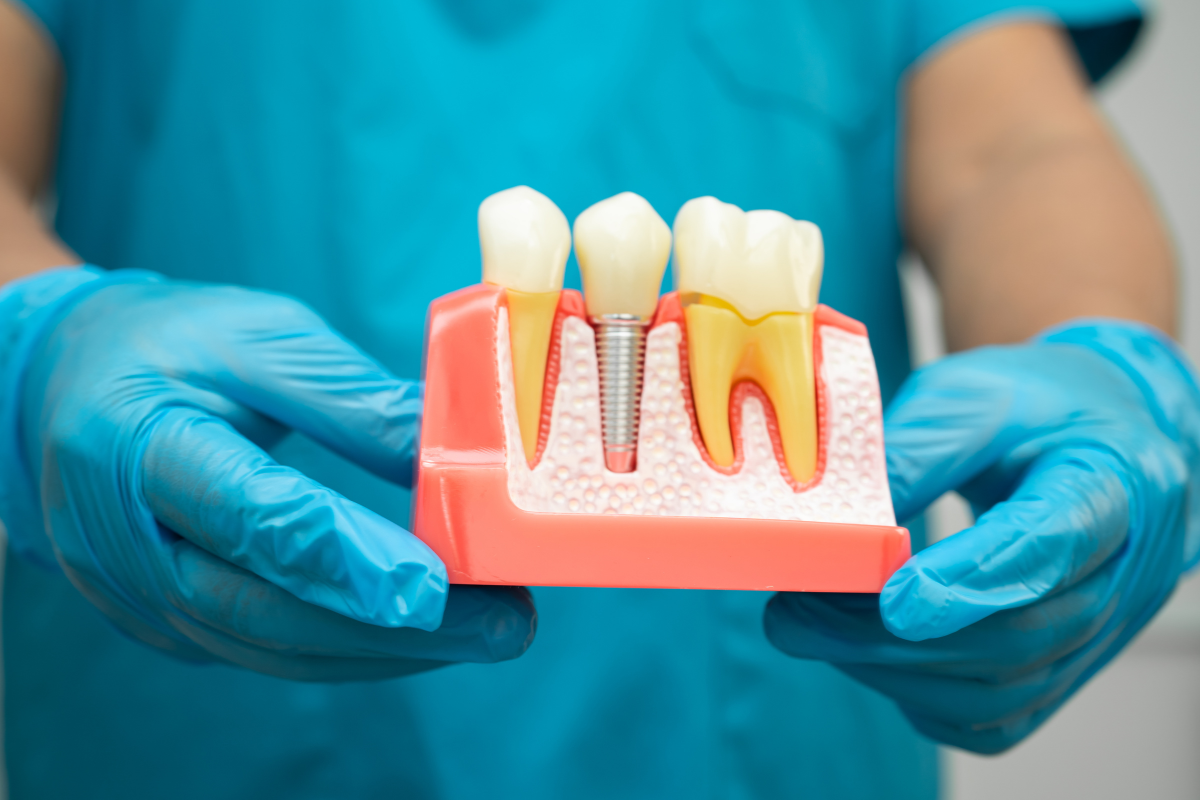
The implant process requires the bone to fuse securely with the titanium post through a natural healing process called osseointegration. When infection or bone loss is present, that process can be disrupted.
So, before starting your journey with dental posts, your dentist will evaluate your oral health carefully. This step isn’t meant to delay your treatment—it’s to ensure your new smile lasts a lifetime.
Treating Gum Issues Before Getting Implants
If you currently have a gum infection or inflammation, don’t lose hope. Modern dentistry offers several ways to restore your mouth’s foundation before implant surgery.
- Deep Cleaning (Scaling and Root Planing)
This procedure removes plaque and tartar that have built up beneath the gumline. Once cleaned, your gums can begin to heal naturally. - Antibiotic Therapy
Your dentist may recommend medication to control bacteria and support tissue healing, especially before or after deep cleaning. - Bone Grafting
If bone loss has occurred, a graft can rebuild density and provide a solid base for your future implants. It’s a common and highly successful procedure in implant dentistry. - Gum Grafting
For those with receding gums, gum grafting replaces missing tissue and protects exposed roots or implant areas. This step improves your smile’s appearance and reduces sensitivity and future infection risk.
By treating these conditions first, your dentist ensures your mouth is healthy and ready for long-term implant stability.
Living with Implants After Gum Disease
Even after treatment, maintaining your new smile requires daily care. Once dental posts are placed, your gum tissue still needs attention—it’s the barrier that keeps bacteria out and protects your investment.
Here’s how to care for your smile once your implants are in place:
- Brush twice a day using a soft toothbrush and gentle, circular motions.
- Floss daily or use interdental brushes to clean around the implant posts.
- Rinse with an antibacterial mouthwash to reduce bacterial growth.
- Avoid smoking, which can slow healing and increase infection risk.
- See your dentist regularly for professional cleanings and implant checks.
Even though titanium posts don’t get cavities, the surrounding tissue can still become inflamed—a condition known as peri-implantitis. The symptoms are similar to gum infection, including redness, bleeding, or tenderness near the implant. Catching it early ensures quick and effective treatment.
When do Receding Gums Affect Existing Implants?
If you already have implants and notice receding gums, don’t panic—it’s manageable. This condition can make the metal post more visible or cause mild sensitivity. The most common reasons are brushing too hard, smoking, or changes in gum tissue over time.
Your dentist may recommend a soft tissue graft or other minor procedures to restore coverage and strengthen the area around your implant. With proper care, most patients maintain excellent comfort and stability for years.
With modern implant dentistry, you can enjoy natural-looking, fully functional teeth even if you have a history of gum disease. The key is treating infection early and staying consistent with oral hygiene once your artificial dental roots are in place.
Building a Healthier Foundation for a Confident Smile
Having a history of gum problems doesn’t automatically disqualify you from getting dental posts. With professional care, good habits, and patience, you can enjoy the benefits of a restored smile.
If you’ve been told that implants aren’t possible because of gum disease or bone loss, consider seeking a second opinion. Many patients achieve great results after their oral health is stabilized.
A strong foundation—healthy tissue, bone, and daily care—makes all the difference. When these elements work together, these permanent restorations can last for decades, giving you a smile that feels just as natural as your teeth.
For long-lasting results and expert care, explore dental implants eagle with Castlebury Dental. Our team focuses on complete oral wellness, helping you rebuild confidence and enjoy every moment with a smile that truly lasts.