Invisalign® as low as $3,379!

21
Aug
Castlebury Dental
Losing a tooth can affect how you chew, speak, and feel about your smile. Dental implants offer a long-term way to replace missing teeth without reshaping adjacent healthy teeth. However, many patients feel uncertain about the treatment because they do not know what each stage involves.
At Castlebury Dental, Dr. Andersen helps patients understand their tooth replacement options and the expected treatment timeline. If you are considering dental implant surgery in Eagle, learning about the process can help you prepare for each appointment with greater confidence. Treatment typically involves an evaluation, implant placement, healing, abutment attachment, and a custom dental crown. Although the entire process may take several months, much of that time allows the jawbone and gum tissue to heal.
What Is Dental Implant Surgery?
This surgery replaces a missing tooth root with a small, screw-shaped post, commonly made from titanium. The post is placed within the jawbone and provides support for an artificial tooth.
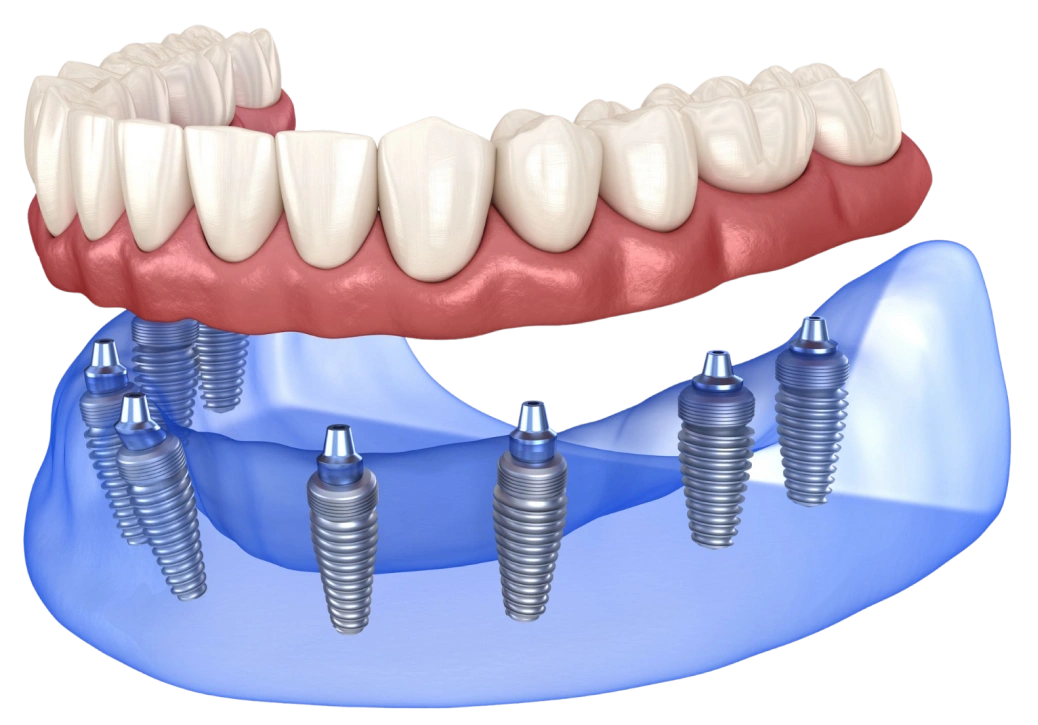
An implant restoration usually has three main components:
- Implant post: Placed in the jawbone to function like a tooth root
- Abutment: Connects the post to the restoration
- Dental crown: Recreates the visible part of the missing tooth
Dental implants may replace one or more teeth or support certain full-arch restorations. The appropriate approach depends on your oral health, bone volume, and number of missing teeth.
How Does the Dental Implant Procedure Work?
Step 1: Comprehensive Examination and Treatment Planning
The process begins with an examination of your teeth, gums, bite, and jawbone. Digital X-rays or three-dimensional imaging may be used to evaluate bone density and locate nerves and sinus cavities.
Your dentist will also review your health history, medications, tobacco use, and conditions that could affect healing. Healthy gum tissue and adequate jawbone support are important considerations when determining candidacy for dental implants.
Step 2: Tooth Extraction or Bone Grafting
A damaged tooth may need to be removed before implant placement. Depending on the condition of the extraction site, the area may need time to heal.
If the jawbone is too thin or soft, a bone graft may be recommended. Bone grafting adds material to the treatment area so it can develop enough support for the implant post. A minor graft may sometimes be completed during placement. More extensive grafting can require several months of healing.
Step 3: Placement of the Implant Post
During dental implant surgery in Eagle, the treatment area is numbed with local anesthesia. Sedation options may also be discussed when appropriate.
The dentist creates a small opening in the gum tissue and prepares a precise space in the jawbone. The implant post is then positioned within the bone. The gum tissue may be closed over or around the post with sutures. Because anesthesia is used, patients generally feel pressure or movement rather than sharp pain during placement.
Step 4: Healing and Osseointegration
After placement, the implant must become stable within the jaw. This biological process is called osseointegration. It occurs as the surrounding bone grows around the post, holding it firmly in place.
Osseointegration commonly takes several months. The timeline varies based on bone health, implant location, grafting, tobacco use, and individual healing. A temporary tooth may be available in certain cases. To understand which temporary restoration suits your situation, visit our dental office for a personalized evaluation.
Step 5: Attaching the Abutment
Once the implant has integrated with the bone, an abutment is connected to it. The abutment extends slightly above the gumline and supports the final crown.
Attaching it may involve a short second procedure if the post was covered during healing. The gum tissue then needs time to form around the abutment. This stage of dental implant surgery helps create a natural-looking transition between the gums and the future restoration.
Step 6: Designing and Placing the Dental Crown
After the gums heal, impressions or digital scans are taken. These records help create a crown that complements the size, shape, and color of nearby teeth.
The final crown is secured to the abutment after its fit, appearance, and bite are checked. Patients may need a brief adjustment period before chewing with the restoration feels natural.
What Should You Expect During Recovery?
Mild swelling, tenderness, bruising, or light bleeding can occur after implant surgery. These effects usually improve as the tissues heal. Follow all post-procedure instructions and take medications only as directed.
Recovery recommendations may include:
- Apply a cold compress during the first day
- Eat soft foods and avoid chewing near the treatment area
- Brush carefully without disturbing the surgical site
- Avoid smoking and tobacco products
- Attend every scheduled follow-up visit
- Contact the office for persistent bleeding, worsening swelling, fever, or severe pain
Once healed, dental implants require regular brushing, flossing, professional cleanings, and periodic examinations. While the restoration cannot develop a cavity, plaque around it may inflame the gums and affect supporting bone.
Restore Your Smile With Implant Treatment
Replacing a missing tooth may improve chewing function, support a balanced bite, and restore confidence in your smile. If you are ready to learn whether dental implant surgery in Eagle is appropriate for you, contact Castlebury Dental. Book an appointment to receive a complete evaluation and a clear explanation of your possible treatment stages.
Frequently Asked Questions
Placing a single implant often takes about one to two hours, although the appointment length varies. Bone grafting, multiple treatment sites, and case complexity may require additional time or separate visits.
Local anesthesia helps keep the treatment area numb during placement. Some soreness and swelling may develop afterward, but these effects are commonly managed with prescribed or recommended medication and proper home care.
The full process often takes several months because the jawbone needs time to integrate with the post. Tooth extraction, bone grafting, healing response, and restoration design can all influence the timeline.
Potential candidates generally need healthy gums, sufficient jawbone support, and well-managed health conditions. A dental evaluation and diagnostic imaging are necessary to determine whether implant treatment is appropriate.
Start with soft foods such as yogurt, eggs, mashed potatoes, and lukewarm soup. Avoid hard, crunchy, spicy, or very hot foods until the treatment area has healed and your dental team approves a normal diet.