Invisalign® as low as $3,379!

02
May
Castlebury Dental
Dental implants have become a popular solution for those looking to restore missing teeth with a natural-looking, long-lasting option. If you are considering dental implants in Eagle, it’s only natural to ask: Are dental implants really safe? Let’s take a closer look at what dental implants involve, their safety profile, and what you can expect during and after treatment.
Understanding Dental Implants
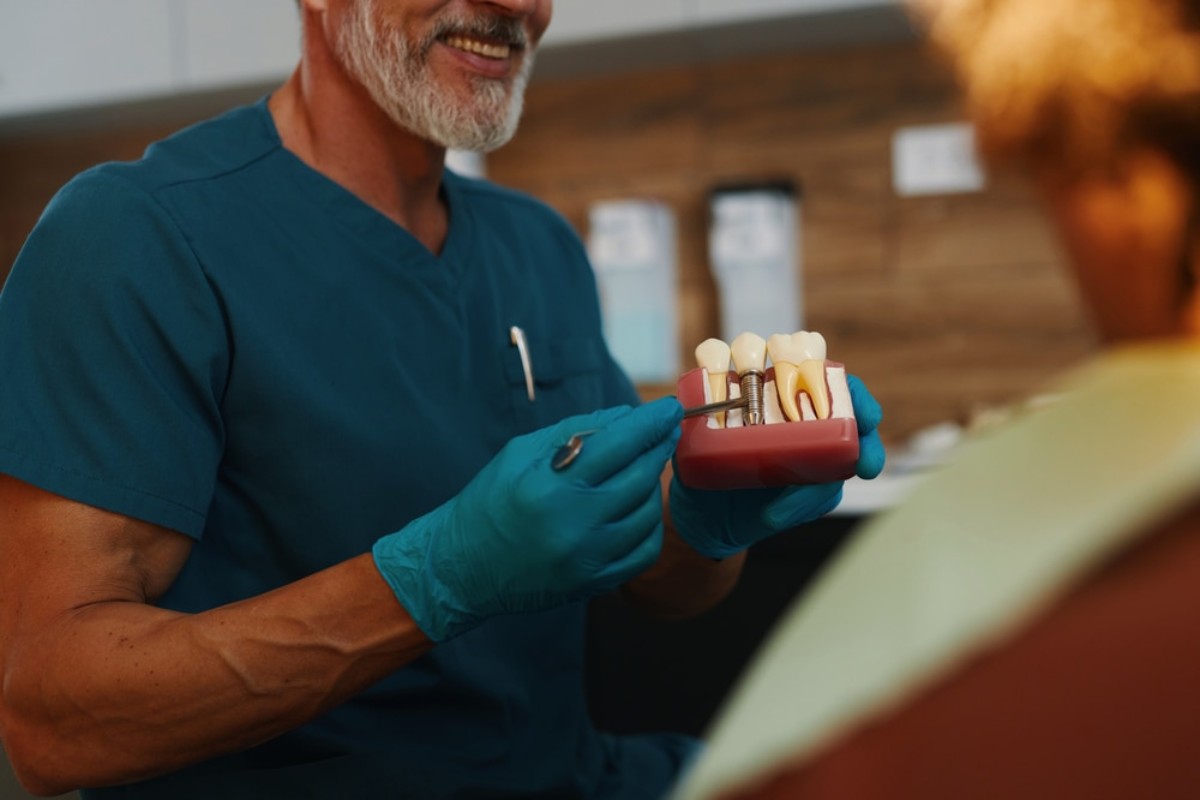
Dental implants are small titanium posts that act as artificial tooth roots. They are surgically placed into the jawbone and serve as a strong foundation for crowns, bridges, or dentures. Over time, the bone fuses with the implant in a process known as osseointegration, providing a stable and durable result.
Are Dental Implants Safe?
Dental implants are widely recognized as a safe and effective tooth replacement option when performed by a dental professional with proper planning and care. The success rate of dental implants is impressive, with studies showing long-term success rates of over 95%.
While dental implants are generally safe, like any surgical procedure, they carry certain risks. These may include:
- Infection at the implant site
- Injury to the surrounding teeth or nerves
- Sinus issues (for implants placed in the upper jaw)
However, with thorough evaluations, advanced imaging, and precise placement, the likelihood of complications is minimized. Patients in good overall health with sufficient jawbone density are typically excellent candidates for dental implants in Eagle.
Quick Guide: Benefits vs. Risks of Dental Implants
| Aspect | Details |
|---|---|
| Success Rate | Over 95% long-term success |
| Benefits | Healthy gums, sufficient bone, and non-smokers |
| Potential Risks | Infection, nerve damage, sinus problems (upper jaw) |
| Ideal Candidates | Healthy gums, sufficient bone, non-smokers |
| Maintenance | Good oral hygiene, regular dental visits |
| Longevity | Often lasts decades or even a lifetime with proper care |
Factors That Support Implant Safety
Several factors contribute to the safety and success of dental implants:
- Comprehensive Evaluation: A detailed dental exam, including X-rays and 3D imaging, helps ensure precise planning.
- Healthy Habits: Good oral hygiene and regular dental check-ups are essential to maintain implant health.
- Lifestyle Choices: Avoiding tobacco use significantly improves implant success and reduces complications.
Your dentist will review your medical history and oral health to determine the best course of action and whether any preparatory treatments, like bone grafting, are needed before implant placement for your dental implants in Eagle.
Long-Term Outlook
Dental implants are designed to last many years and often a lifetime with proper care. They not only restore function and aesthetics but also help preserve the jawbone and prevent neighboring teeth from shifting.
Patients who follow post-operative care instructions and maintain regular dental visits usually experience excellent results and high satisfaction with their dental implants in Eagle.
Ready to Restore Your Smile?
Dental implants in Eagle offer a trusted and well-established solution for tooth replacement. While there are some risks, these are generally low when treatment is carefully planned and maintained. If you’re considering dental implants, it’s important to have a personalized consultation to discuss your specific needs and concerns.
For more information on dental implants or to discuss your options, visit Castlebury Dental. Schedule an appointment and visit us today to start your journey toward a confident smile.
How long do dental implants last?
With proper care and maintenance, dental implants can last for many years, often even a lifetime. Regular dental visits and good oral hygiene are key to their longevity.
Is getting a dental implant painful?
Most patients report minimal discomfort during and after the procedure. Local anesthesia is used to ensure a comfortable experience, and any post-surgical soreness typically resolves within a few days.
What is the recovery time after dental implant surgery?
Initial healing usually takes about 1 to 2 weeks, but the full process of osseointegration, where the implant fuses with the jawbone, can take a few months. Your dentist will provide detailed aftercare instructions to support a smooth recovery.